Cast nylon guides.
Clear answers to the questions buyers ask most. Each guide gives the short answer first, then the detail. Written by OKD Makina Polimer.
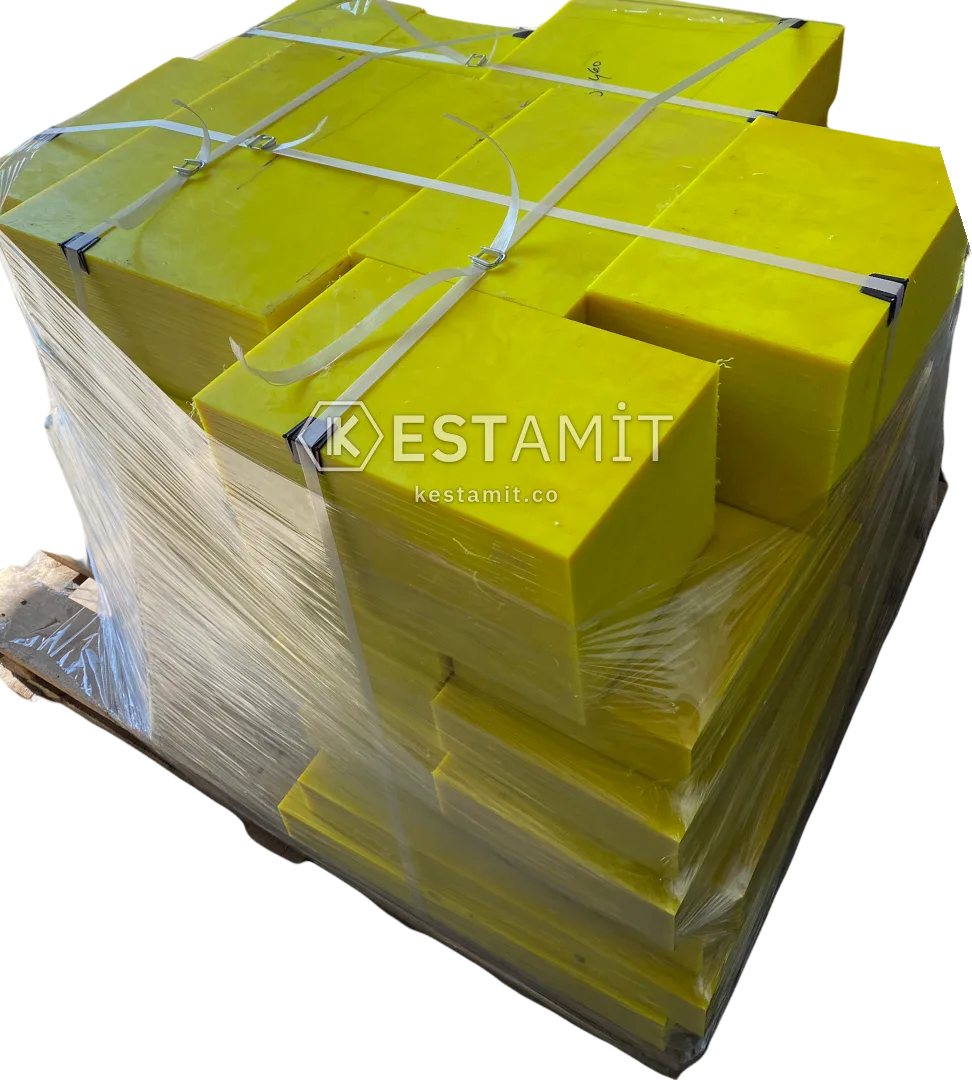 BasicsWhat is cast nylon?
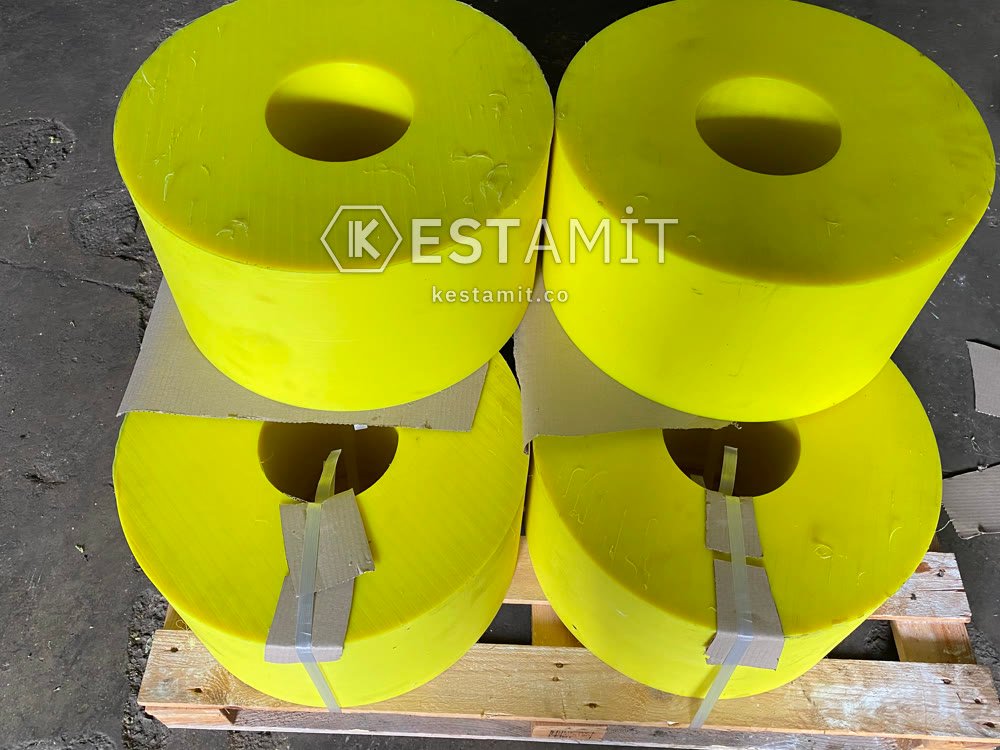 Price and weightCast nylon weight calculation
 Temperature and resistanceWhat temperature can cast nylon withstand?
Basics
- What is cast nylon?What cast nylon is, what it does and where it is used. The properties, advantages and limits of cast polyamide PA6G in plain language.
- Cast nylon, PA6G, nylon 6G: one material, many namesCast nylon, PA6G, PA6C, nylon 6G and cast polyamide: are they the same? Where each name comes from and what to check before you order.
- What is CASTOMID?CASTOMID is a registered trademark of OKD Makina Polimer. What CASTOMID sheet is, how it relates to cast nylon and where it is used.
- What is cast nylon made of?The raw material of cast nylon and how it is produced. Caprolactam, the casting process and what this method gives the material, explained simply.
- Cast polyamide vs extruded PA6The difference between PA6G and PA6. We compare hardness, modulus, toughness and moisture of cast and extruded polyamide in a table and explain which to choose.
- Cast nylon technical propertiesDensity, tensile strength, hardness, temperature, expansion, moisture and friction of cast nylon in one table. Typical PA6G values and how to read them.
- Cast nylon colours and what they meanWhat is the difference between yellow, cream and black cast nylon? What colour changes, what it does not, and what to check when choosing a colour.
Temperature and resistance
- What temperature can cast nylon withstand?Cast nylon works up to about 100 °C continuously and 170 to 180 °C for short periods. Lower limit, melting point and how to choose correctly.
- Is cast nylon heat resistant?How heat resistant cast nylon is, how it behaves when hot and when you need another material. Softening, expansion and heat build-up with an example.
- Cast nylon chemical resistanceCast nylon resists oils, fuels and alkalis but not mineral acids. Which chemicals it handles and which it does not, shown in a table with practical examples.
- Does cast nylon absorb moisture?Cast nylon absorbs moisture from air and water, so its size changes a little. How this affects parts, what to do with tight tolerances and bushing clearance.
Price and weight
- Cast nylon weight calculationHow to calculate the weight of cast nylon sheet, rod and tube. Formulas, worked examples and ready tables, using a density of 1.15 g/cm³.
- What determines the price of cast nylon sheet?Cast nylon sheet price depends on size, thickness, quantity, additive and machining. What you need to know to get an accurate quote instead of a fixed list.
- What determines the price of cast nylon rod?Cast nylon rod price depends on diameter, length, additive and quantity. A table of weight per metre by diameter and what you need for an accurate quote.
- How to calculate cast nylon price per kgWhat to watch when comparing cast nylon price per kilo. The logic of per-kilo pricing, waste, cutting and machining explained with a worked example.
Sheet, rod and tube
- Cast nylon sheet guideWhat cast nylon sheet is, where it is used and how to choose thickness and grade. What to know before buying, with a table and a checklist.
- Cast nylon rod guideWhere cast nylon rod is used and how to choose diameter and machining allowance. Rod selection for bushings, rollers and gears and what to watch.
- Cast nylon tube and hollow partsWhen cast nylon tube makes sense and what it saves over solid rod. Material and chip calculations for parts with large bores, with worked examples.
Cast nylon parts
- Cast nylon pulleys and sheavesWhy cast nylon pulleys are chosen, what they gain over metal and what to watch. Bearing pulleys, weight and rope life explained.
- Cast nylon gearsWhy cast nylon gears run quietly, whether they can run without oil and where they reach their limit. Explained from research and manufacturer data.
- Cast nylon bushings and plain bearingsWhy cast nylon bushings are chosen, how to set shaft clearance and what to do about heat and moisture. What to watch when designing a plain bearing.
- Cast nylon wear platesWhere cast nylon wear plates are used, how to fix them and how to leave room for expansion. What to know when designing slides, rails and sliding surfaces.
- Cast nylon moulds and fixturesCan moulds and fixtures be made from cast nylon, and where does it make sense? Benefits, limits and design notes for CNC cut mould plates.
Special grades
- What is oil-filled cast nylon?Oil-filled cast nylon is cast polyamide with oil added for low friction. How it differs from the standard grade, where it is used and its limits, in a table.
- What is MoS2 cast nylon?What MoS2 cast nylon is, how it differs from the standard grade and when to choose it. The effect of molybdenum disulphide on hardness, wear and strength.
Material comparisons
- Cast nylon vs bronzeCan cast nylon replace bronze? We compare weight, load, temperature and lubrication, and explain when to choose each material.
- Cast nylon vs POM (acetal, Delrin)The difference between cast nylon and POM (acetal, Delrin). Moisture, size stability, impact and wear compared in a table, with simple selection rules.
- Cast nylon vs UHMW-PE (PE1000)How to choose between cast nylon and UHMW-PE (PE1000). Friction, strength, moisture, chemical resistance and slide uses compared in a table.
Machining and ordering
- CNC machining of cast nylonHow to machine cast nylon: managing chips, clamping, heat and size checks, with notes on preparing drawings for CNC parts.
- What do you need for a cast nylon quote?What to send when requesting a cast nylon sheet or part quote. A short checklist, drawing formats and common mistakes for a fast, accurate quote.